
Il boom dei game‑show live nei casinò: jackpot, normativa e nuove tendenze

Negli ultimi anni i game‑show live hanno trasformato l’offerta dei casinò online, portando in tavola digitale format famosi come Monopoly Live, Deal or No Deal e Crazy Time. Queste produzioni, condotte da presentatori in tempo reale e integrate con grafica 3D, hanno saputo catturare l’attenzione di giocatori abituati ai tradizionali giochi da tavolo. Un elemento chiave di questo successo è il jackpot progressivo: premi che crescono di notte in notte fino a raggiungere cifre da capogiro, diventando così un vero volano di partecipazione.

Per approfondire le offerte di gioco responsabile, visita https://www.ferraraitalia.it/. Il sito fornisce risorse utili per chi desidera informarsi su limiti di spesa, auto‑esclusione e linee guida di buona condotta.

Nel contesto italiano ed europeo, il 2026 è caratterizzato da una normativa più stringente, con l’Agenzia delle Dogane e dei Monopoli (ADM) che vigila su licenze, trasparenza dei jackpot e misure anti‑lavaggio. Allo stesso tempo, le direttive UE sulla protezione del consumatore hanno spinto gli operatori a implementare strumenti di controllo del gioco in modo più sistematico.

1. Evoluzione dei game‑show live nei casinò italiani

Dal 2015, quando Evolution ha lanciato il primo Live Roulette con presentatore, i game‑show live hanno seguito una curva di crescita esponenziale. Nel 2018 è arrivato Deal or No Deal Live, introducendo la dinamica del “deal” in diretta. Il 2021 ha segnato l’avvento di Monopoly Live con il suo rullo bonus a tema tabellone, mentre il 2024 ha visto l’introduzione di giochi con meccaniche ibride tra slot e quiz, grazie a Pragmatic Play. Oggi, nel 2026, la maggior parte dei casinò licenziati offre almeno cinque titoli live con jackpot progressivi, e la concorrenza si basa sempre più sulla qualità della produzione e sulla velocità di streaming.

La tecnologia è il motore di questa trasformazione. Lo streaming in HD a 1080p, supportato da server dedicati in Europa, riduce la latenza a meno di due secondi, garantendo interazioni quasi istantanee tra il presentatore e i giocatori. Le piattaforme hanno inoltre integrato chatbot AI per rispondere a domande su regole, payout e promozioni, rendendo l’esperienza più fluida.

I provider internazionali, soprattutto Evolution e Pragmatic Play, hanno investito in studi di produzione a Monte Carlo e Londra, dove registi televisivi collaborano con sviluppatori di software per creare scenari immersivi. Questo approccio ha elevato il livello di produzione a quello di un vero game‑show televisivo, aumentando la percezione di valore per l’utente.

1.1. Dal tavolo al palcoscenico digitale

Il passaggio dal classico tavolo fisico al palcoscenico digitale ha introdotto elementi di spettacolo impossibili da replicare offline: effetti sonori sincronizzati, animazioni 3D e la possibilità di votare in tempo reale. I giocatori ora possono vedere il conteggio dei jackpot crescere sullo schermo, partecipare a sondaggi e influenzare il risultato con scelte rapide, creando un legame emotivo più forte rispetto al semplice lancio di dadi o carte.

1.2. L’integrazione con le piattaforme mobile

Nel 2023 le principali piattaforme mobile hanno introdotto codec a bassa latenza (AV1) e supporto per la modalità picture‑in‑picture, permettendo di seguire il game‑show mentre si naviga il sito. Le app native, ottimizzate per Android 14 e iOS 18, consentono di impostare notifiche push per le “sessioni jackpot” e di gestire limiti di deposito direttamente dal dispositivo, facilitando il rispetto delle regole di gioco responsabile.

2. Jackpot progressivi: meccaniche e impatto sul comportamento del giocatore

Un jackpot progressivo nei game‑show live è un premio che aumenta ad ogni puntata non vincente, alimentato da una percentuale predefinita del turnover (solitamente dal 2% al 5%). Quando il jackpot è attivato, il presentatore lancia un mini‑gioco a parte, spesso con un rullo o una ruota, che determina se il premio sarà erogato.

Le statistiche raccolte da tre grandi operatori nel 2025 mostrano picchi di puntata del 37% in più durante le “sessioni jackpot” rispetto alle partite standard. Questo comportamento è legato alla “percezione di valore” – i giocatori credono di avere maggiori probabilità di vincere un premio enorme, anche se le probabilità effettive restano invariate.

Dal punto di vista psicologico, il jackpot attiva il sistema dopaminergico, generando un effetto “near‑miss” quando il rullo si avvicina al segmento vincente. Per gestire il bankroll, è consigliabile impostare una soglia di perdita giornaliera e considerare il jackpot come un bonus opzionale, non come parte della strategia di base.

2.1. Il modello matematico alla base dei jackpot

Il valore atteso (EV) di una puntata con jackpot è calcolato come: EV = (RTP × bet) + (probabilità jackpot × jackpot corrente). Se il RTP è 96% e il bet è €1, il contributo del jackpot può aumentare l’EV di 0,02–0,05 € a seconda della dimensione del premio. Tuttavia, l’aumento è significativo solo quando il jackpot supera i €100.000, altrimenti l’effetto è marginale.

2.2. Caso studio: il più grande jackpot di Monopoly Live (2025)

Nel dicembre 2025, Monopoly Live ha assegnato un jackpot record di €1.247.000, generato da una serie di 12 round consecutivi senza vincite. Il mini‑gioco ha coinvolto una ruota a 12 segmenti, dove il segmento “Jackpot” aveva una probabilità di 1 su 12. Il vincitore, un giocatore italiano di Milano, ha dichiarato di aver puntato €20 in quella singola sessione, dimostrando come un investimento modesto possa portare a vincite eccezionali quando il jackpot è alto.

3. Quadro normativo italiano ed europeo per i game‑show live

L’ADM, succeduta all’AAMS nel 2020, regola tutti i giochi d’azzardo online in Italia. Per i game‑show live, la licenza richiede una certificazione di “fairness” rilasciata da enti terzi (eCOGRA, iTech Labs) e l’obbligo di pubblicare in tempo reale il valore corrente del jackpot. Inoltre, la normativa anti‑lavaggio impone l’identificazione KYC a livello di deposito e l’analisi dei flussi di denaro legati a jackpot elevati.

I giochi di abilità, come i quiz interattivi, possono beneficiare di una licenza più leggera, ma devono dimostrare che la componente di skill supera il 50% delle decisioni di gioco. Questo distingue i game‑show live dai tradizionali slot, dove la casualità è dominante.

Le norme di trasparenza richiedono che gli operatori mostrino il algoritmo di generazione del jackpot, con aggiornamenti ogni 10 secondi, e che le percentuali di payout siano verificabili tramite audit annuali pubblici.

3.1. Aggiornamenti legislativi del 2026

Nel gennaio 2026 l’ADM ha introdotto il “Regolamento sui Bonus e le Promozioni”, che limita i bonus di deposito a un massimo di 100% del primo deposito e impone un requisito di wagering di almeno 35× per i jackpot. Inoltre, è stato stabilito un limite massimo di €500.000 per i jackpot progressivi in un singolo gioco, per ridurre il rischio di dipendenza da premi “miracolosi”.

3.2. Confronto con le regolamentazioni di altri Paesi UE

Paese Limite jackpot progressivo Requisito di licenza Regola anti‑lavaggio
Italia (ADM) €500.000 Certificazione eCOGRA KYC + monitoraggio transazioni
Regno Unito (UKGC) Nessun limite fisso Licenza UKGC AML di 5 livelli, reporting trimestrale
Germania (GLI) €300.000 Licenza GLI Controllo KYC, soglie di €10.000 per transazione
Spagna (DGOJ) €400.000 Licenza DGOJ Verifica identità, audit annuale

Il confronto evidenzia come l’Italia mantenga un approccio più conservativo rispetto al Regno Unito, ma più flessibile rispetto a Germania e Spagna per quanto riguarda il limite di jackpot.

4. Responsabilità sociale e protezione del giocatore nei game‑show live

Gli operatori hanno integrato strumenti di auto‑esclusione direttamente nella UI del gioco live: un pulsante “Pause” che blocca temporaneamente l’accesso per 24, 48 o 72 ore, con possibilità di estensione. Inoltre, le piattaforme consentono di impostare limiti di spesa giornalieri, settimanali e mensili, visibili in tempo reale sul cruscotto del giocatore.

Le campagne di sensibilizzazione promosse dall’ADM e dagli operatori includono video tutorial su “Come riconoscere il gioco compulsivo” e partnership con associazioni come Gioco Responsabile Italia. Queste iniziative sono spesso veicolate tramite notifiche push durante le sessioni live, ricordando al giocatore di fare una pausa ogni 60 minuti.

Uno studio interno del 2025 ha mostrato che le notifiche di “tempo di gioco” riducono del 22% le sessioni che superano i 90 minuti, dimostrando l’efficacia di avvisi contestuali. Tuttavia, la dipendenza rimane una sfida: è fondamentale che i giocatori consultino risorse come Ferraraitalia per informazioni su linee di aiuto e strumenti di auto‑controllo.

5. Il futuro dei jackpot: innovazioni tecnologiche e nuove opportunità di mercato

L’intelligenza artificiale sta per rivoluzionare la personalizzazione dei jackpot. Algoritmi di machine learning analizzano il comportamento del giocatore (tempo medio di sessione, dimensione delle puntate) e adattano la crescita del jackpot per mantenere un “tasso di eccitazione” ottimale, senza alterare le probabilità di vincita dichiarate.

La blockchain, adottata da alcuni operatori emergenti, garantisce tracciabilità totale del flusso di denaro verso il jackpot. Un token ERC‑20 dedicato può rappresentare una frazione del jackpot, consentendo ai giocatori di acquistare “quote” di premio e di venderle sul mercato secondario, creando un nuovo segmento di investimento ludico.

Le realtà aumentata (AR) e virtuale (VR) stanno per entrare nei game‑show live. Immaginate un tavolo da Deal or No Deal in cui il presentatore e i valigioni sono proiettati nella stanza del giocatore tramite visore VR, con la possibilità di muoversi fisicamente per aprire le valigie. Questa immersione totale potrebbe aumentare il valore percepito delle puntate e spingere gli operatori a rivedere i modelli di payout.

6. Come scegliere il casinò live più sicuro e vantaggioso per i game‑show

  • Verificare la licenza ADM e la presenza del certificato eCOGRA sul sito.
  • Controllare gli audit di terze parti pubblicati annualmente (iTech Labs, GLI).
  • Analizzare le percentuali di payout: i migliori operatori offrono RTP complessivo tra 96% e 98% per i game‑show live.

Checklist rapida
1. Licenza valida e visibile.
2. Audit di fairness aggiornato (ultimo entro 6 mesi).
3. Limiti di jackpot chiari e pubblicati in tempo reale.
4. Strumenti di auto‑esclusione e limiti di spesa integrati.
5. Supporto clienti disponibile 24/7 in italiano.

Per valutare le offerte, confrontate le promozioni casino: bonus di benvenuto, giri gratuiti nei game‑show e requisito di wagering. Alcuni operatori propongono “Jackpot Boost” per i nuovi iscritti, ma ricordate che il requisito minimo è di 35× secondo il Regolamento 2026.

Infine, scegliete piattaforme di gioco che collaborano con provider certificati (Evolution, Pragmatic Play) e che offrono un’interfaccia mobile ottimizzata. Un casinò che rispetta queste linee guida vi garantirà un’esperienza divertente, sicura e conforme alle normative.

Conclusione

I game‑show live hanno consolidato la loro posizione nei casinò italiani grazie a jackpot spettacolari, produzione televisiva di alto livello e una crescente attenzione alla responsabilità sociale. Le normative ADM e le direttive UE hanno imposto requisiti di trasparenza, licenza e anti‑lavaggio che tutelano il giocatore e garantiscono un mercato equo. Per i giocatori, la scelta di un casinò sicuro, la gestione consapevole del bankroll e l’uso di risorse come Ferraraitalia rappresentano le migliori pratiche per godere di queste esperienze senza rischi eccessivi. Giocate in modo responsabile, sfruttate le promozioni casino con criterio e tenete sempre a portata di mano le informazioni normative: solo così i game‑show live potranno continuare a offrire divertimento e grandi vincite in modo sostenibile.
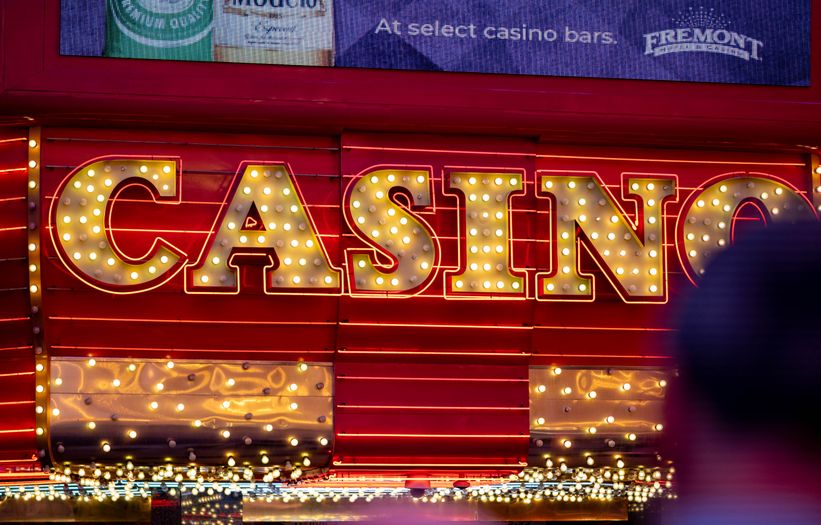

Il boom dei game‑show live nei casinò: jackpot, normativa e nuove tendenze

Negli ultimi anni i game‑show live hanno trasformato l’offerta dei casinò online, portando in tavola digitale format famosi come Monopoly Live, Deal or No Deal e Crazy Time. Queste produzioni, condotte da presentatori in tempo reale e integrate con grafica 3D, hanno saputo catturare l’attenzione di giocatori abituati ai tradizionali giochi da tavolo. Un elemento chiave di questo successo è il jackpot progressivo: premi che crescono di notte in notte fino a raggiungere cifre da capogiro, diventando così un vero volano di partecipazione.

Per approfondire le offerte di gioco responsabile, visita https://www.ferraraitalia.it/. Il sito fornisce risorse utili per chi desidera informarsi su limiti di spesa, auto‑esclusione e linee guida di buona condotta.

Nel contesto italiano ed europeo, il 2026 è caratterizzato da una normativa più stringente, con l’Agenzia delle Dogane e dei Monopoli (ADM) che vigila su licenze, trasparenza dei jackpot e misure anti‑lavaggio. Allo stesso tempo, le direttive UE sulla protezione del consumatore hanno spinto gli operatori a implementare strumenti di controllo del gioco in modo più sistematico.

1. Evoluzione dei game‑show live nei casinò italiani

Dal 2015, quando Evolution ha lanciato il primo Live Roulette con presentatore, i game‑show live hanno seguito una curva di crescita esponenziale. Nel 2018 è arrivato Deal or No Deal Live, introducendo la dinamica del “deal” in diretta. Il 2021 ha segnato l’avvento di Monopoly Live con il suo rullo bonus a tema tabellone, mentre il 2024 ha visto l’introduzione di giochi con meccaniche ibride tra slot e quiz, grazie a Pragmatic Play. Oggi, nel 2026, la maggior parte dei casinò licenziati offre almeno cinque titoli live con jackpot progressivi, e la concorrenza si basa sempre più sulla qualità della produzione e sulla velocità di streaming.

La tecnologia è il motore di questa trasformazione. Lo streaming in HD a 1080p, supportato da server dedicati in Europa, riduce la latenza a meno di due secondi, garantendo interazioni quasi istantanee tra il presentatore e i giocatori. Le piattaforme hanno inoltre integrato chatbot AI per rispondere a domande su regole, payout e promozioni, rendendo l’esperienza più fluida.

I provider internazionali, soprattutto Evolution e Pragmatic Play, hanno investito in studi di produzione a Monte Carlo e Londra, dove registi televisivi collaborano con sviluppatori di software per creare scenari immersivi. Questo approccio ha elevato il livello di produzione a quello di un vero game‑show televisivo, aumentando la percezione di valore per l’utente.

1.1. Dal tavolo al palcoscenico digitale

Il passaggio dal classico tavolo fisico al palcoscenico digitale ha introdotto elementi di spettacolo impossibili da replicare offline: effetti sonori sincronizzati, animazioni 3D e la possibilità di votare in tempo reale. I giocatori ora possono vedere il conteggio dei jackpot crescere sullo schermo, partecipare a sondaggi e influenzare il risultato con scelte rapide, creando un legame emotivo più forte rispetto al semplice lancio di dadi o carte.

1.2. L’integrazione con le piattaforme mobile

Nel 2023 le principali piattaforme mobile hanno introdotto codec a bassa latenza (AV1) e supporto per la modalità picture‑in‑picture, permettendo di seguire il game‑show mentre si naviga il sito. Le app native, ottimizzate per Android 14 e iOS 18, consentono di impostare notifiche push per le “sessioni jackpot” e di gestire limiti di deposito direttamente dal dispositivo, facilitando il rispetto delle regole di gioco responsabile.

2. Jackpot progressivi: meccaniche e impatto sul comportamento del giocatore

Un jackpot progressivo nei game‑show live è un premio che aumenta ad ogni puntata non vincente, alimentato da una percentuale predefinita del turnover (solitamente dal 2% al 5%). Quando il jackpot è attivato, il presentatore lancia un mini‑gioco a parte, spesso con un rullo o una ruota, che determina se il premio sarà erogato.

Le statistiche raccolte da tre grandi operatori nel 2025 mostrano picchi di puntata del 37% in più durante le “sessioni jackpot” rispetto alle partite standard. Questo comportamento è legato alla “percezione di valore” – i giocatori credono di avere maggiori probabilità di vincere un premio enorme, anche se le probabilità effettive restano invariate.

Dal punto di vista psicologico, il jackpot attiva il sistema dopaminergico, generando un effetto “near‑miss” quando il rullo si avvicina al segmento vincente. Per gestire il bankroll, è consigliabile impostare una soglia di perdita giornaliera e considerare il jackpot come un bonus opzionale, non come parte della strategia di base.

2.1. Il modello matematico alla base dei jackpot

Il valore atteso (EV) di una puntata con jackpot è calcolato come: EV = (RTP × bet) + (probabilità jackpot × jackpot corrente). Se il RTP è 96% e il bet è €1, il contributo del jackpot può aumentare l’EV di 0,02–0,05 € a seconda della dimensione del premio. Tuttavia, l’aumento è significativo solo quando il jackpot supera i €100.000, altrimenti l’effetto è marginale.

2.2. Caso studio: il più grande jackpot di Monopoly Live (2025)

Nel dicembre 2025, Monopoly Live ha assegnato un jackpot record di €1.247.000, generato da una serie di 12 round consecutivi senza vincite. Il mini‑gioco ha coinvolto una ruota a 12 segmenti, dove il segmento “Jackpot” aveva una probabilità di 1 su 12. Il vincitore, un giocatore italiano di Milano, ha dichiarato di aver puntato €20 in quella singola sessione, dimostrando come un investimento modesto possa portare a vincite eccezionali quando il jackpot è alto.

3. Quadro normativo italiano ed europeo per i game‑show live

L’ADM, succeduta all’AAMS nel 2020, regola tutti i giochi d’azzardo online in Italia. Per i game‑show live, la licenza richiede una certificazione di “fairness” rilasciata da enti terzi (eCOGRA, iTech Labs) e l’obbligo di pubblicare in tempo reale il valore corrente del jackpot. Inoltre, la normativa anti‑lavaggio impone l’identificazione KYC a livello di deposito e l’analisi dei flussi di denaro legati a jackpot elevati.

I giochi di abilità, come i quiz interattivi, possono beneficiare di una licenza più leggera, ma devono dimostrare che la componente di skill supera il 50% delle decisioni di gioco. Questo distingue i game‑show live dai tradizionali slot, dove la casualità è dominante.

Le norme di trasparenza richiedono che gli operatori mostrino il algoritmo di generazione del jackpot, con aggiornamenti ogni 10 secondi, e che le percentuali di payout siano verificabili tramite audit annuali pubblici.

3.1. Aggiornamenti legislativi del 2026

Nel gennaio 2026 l’ADM ha introdotto il “Regolamento sui Bonus e le Promozioni”, che limita i bonus di deposito a un massimo di 100% del primo deposito e impone un requisito di wagering di almeno 35× per i jackpot. Inoltre, è stato stabilito un limite massimo di €500.000 per i jackpot progressivi in un singolo gioco, per ridurre il rischio di dipendenza da premi “miracolosi”.

3.2. Confronto con le regolamentazioni di altri Paesi UE

Paese Limite jackpot progressivo Requisito di licenza Regola anti‑lavaggio
Italia (ADM) €500.000 Certificazione eCOGRA KYC + monitoraggio transazioni
Regno Unito (UKGC) Nessun limite fisso Licenza UKGC AML di 5 livelli, reporting trimestrale
Germania (GLI) €300.000 Licenza GLI Controllo KYC, soglie di €10.000 per transazione
Spagna (DGOJ) €400.000 Licenza DGOJ Verifica identità, audit annuale

Il confronto evidenzia come l’Italia mantenga un approccio più conservativo rispetto al Regno Unito, ma più flessibile rispetto a Germania e Spagna per quanto riguarda il limite di jackpot.

4. Responsabilità sociale e protezione del giocatore nei game‑show live

Gli operatori hanno integrato strumenti di auto‑esclusione direttamente nella UI del gioco live: un pulsante “Pause” che blocca temporaneamente l’accesso per 24, 48 o 72 ore, con possibilità di estensione. Inoltre, le piattaforme consentono di impostare limiti di spesa giornalieri, settimanali e mensili, visibili in tempo reale sul cruscotto del giocatore.

Le campagne di sensibilizzazione promosse dall’ADM e dagli operatori includono video tutorial su “Come riconoscere il gioco compulsivo” e partnership con associazioni come Gioco Responsabile Italia. Queste iniziative sono spesso veicolate tramite notifiche push durante le sessioni live, ricordando al giocatore di fare una pausa ogni 60 minuti.

Uno studio interno del 2025 ha mostrato che le notifiche di “tempo di gioco” riducono del 22% le sessioni che superano i 90 minuti, dimostrando l’efficacia di avvisi contestuali. Tuttavia, la dipendenza rimane una sfida: è fondamentale che i giocatori consultino risorse come Ferraraitalia per informazioni su linee di aiuto e strumenti di auto‑controllo.

5. Il futuro dei jackpot: innovazioni tecnologiche e nuove opportunità di mercato

L’intelligenza artificiale sta per rivoluzionare la personalizzazione dei jackpot. Algoritmi di machine learning analizzano il comportamento del giocatore (tempo medio di sessione, dimensione delle puntate) e adattano la crescita del jackpot per mantenere un “tasso di eccitazione” ottimale, senza alterare le probabilità di vincita dichiarate.

La blockchain, adottata da alcuni operatori emergenti, garantisce tracciabilità totale del flusso di denaro verso il jackpot. Un token ERC‑20 dedicato può rappresentare una frazione del jackpot, consentendo ai giocatori di acquistare “quote” di premio e di venderle sul mercato secondario, creando un nuovo segmento di investimento ludico.

Le realtà aumentata (AR) e virtuale (VR) stanno per entrare nei game‑show live. Immaginate un tavolo da Deal or No Deal in cui il presentatore e i valigioni sono proiettati nella stanza del giocatore tramite visore VR, con la possibilità di muoversi fisicamente per aprire le valigie. Questa immersione totale potrebbe aumentare il valore percepito delle puntate e spingere gli operatori a rivedere i modelli di payout.

6. Come scegliere il casinò live più sicuro e vantaggioso per i game‑show

  • Verificare la licenza ADM e la presenza del certificato eCOGRA sul sito.
  • Controllare gli audit di terze parti pubblicati annualmente (iTech Labs, GLI).
  • Analizzare le percentuali di payout: i migliori operatori offrono RTP complessivo tra 96% e 98% per i game‑show live.

Checklist rapida
1. Licenza valida e visibile.
2. Audit di fairness aggiornato (ultimo entro 6 mesi).
3. Limiti di jackpot chiari e pubblicati in tempo reale.
4. Strumenti di auto‑esclusione e limiti di spesa integrati.
5. Supporto clienti disponibile 24/7 in italiano.

Per valutare le offerte, confrontate le promozioni casino: bonus di benvenuto, giri gratuiti nei game‑show e requisito di wagering. Alcuni operatori propongono “Jackpot Boost” per i nuovi iscritti, ma ricordate che il requisito minimo è di 35× secondo il Regolamento 2026.

Infine, scegliete piattaforme di gioco che collaborano con provider certificati (Evolution, Pragmatic Play) e che offrono un’interfaccia mobile ottimizzata. Un casinò che rispetta queste linee guida vi garantirà un’esperienza divertente, sicura e conforme alle normative.

Conclusione

I game‑show live hanno consolidato la loro posizione nei casinò italiani grazie a jackpot spettacolari, produzione televisiva di alto livello e una crescente attenzione alla responsabilità sociale. Le normative ADM e le direttive UE hanno imposto requisiti di trasparenza, licenza e anti‑lavaggio che tutelano il giocatore e garantiscono un mercato equo. Per i giocatori, la scelta di un casinò sicuro, la gestione consapevole del bankroll e l’uso di risorse come Ferraraitalia rappresentano le migliori pratiche per godere di queste esperienze senza rischi eccessivi. Giocate in modo responsabile, sfruttate le promozioni casino con criterio e tenete sempre a portata di mano le informazioni normative: solo così i game‑show live potranno continuare a offrire divertimento e grandi vincite in modo sostenibile.

Xon — Wie man das beste Live Casino auswählt

Das Erlebnis eines echten Casinos zu Hause nachzubilden, war schon immer eine faszinierende Herausforderung für Online-Glücksspiele. Mit dem Aufkommen von Live Casino Spielen hat sich dies drastisch verändert. Egal, ob Sie die spannungsgeladene Spanne beim Roulette, strategische Entscheidungen beim Blackjack oder die Eleganz von Baccarat bevorzugen – das Live Casino bietet eine unvergleichliche Erfahrung. Durch moderne Streaming-Technologie können Spieler in Echtzeit mit echten Dealern interagieren und das traditionelle Casino-Feeling direkt auf ihrem Bildschirm genießen. Viele Plattformen bieten bereits heute die besten Online-Erlebnisse für Glücksspiel-Enthusiasten und dabei ist eine Ressource wie xon-casino-gewinn.com besonders wertvoll, um die passenden Anbieter zu finden.

Online Casino: Spielautomaten und Live-Spiele im Überblick

Live Casinos revolutionieren die Art und Weise, wie wir online Glücksspiele erleben. Im Gegensatz zu herkömmlichen Online-Spielen, die auf Zufallsgeneratoren basieren, bieten Live-Casino-Spiele die Authentizität eines echten Casinos. Die Spiele werden in speziell eingerichteten Studios oder in echten Casinos mit Kameras in HD-Qualität übertragen. Die Dealer sind professionell ausgebildete Croupiers, die das leiten und mit den Spielern interagieren können. Erfahrungsberichte zu Xon liefern eine erste Orientierung im deutschen Markt. Diese persönliche Verbindung und das visuelle Erlebnis schaffen eine Atmosphäre, die reine Online-Spiele nicht bieten können.

Bei der Auswahl der besten Plattformen für Live-Casino-Erlebnisse sind mehrere Faktoren zu beachten. Neben der Qualität der Streaming-Technologie und der Professionalität der Dealer sind auch die angebotenen Spielevarianten, die Bonusangebote und die Benutzerfreundlichkeit der Plattform entscheidend. Ein guter Anbieter bietet nicht nur eine breite Palette an Spielen, sondern auch flexible Einsatzmöglichkeiten, um sowohl Anfänger als auch High Roller zufriedenzustellen. Die Sicherheit und Fairness der Spiele sollte durch unabhängige Zertifizierungen gewährleistet sein, um ein vertrauenswürdiges Spielerlebnis zu garantieren.

Die beliebtesten Live Casino Spiele

Live Roulette: Das klassische Casino-Erlebnis

Live Roulette ist eines der ikonischsten Casino-Spiele, das perfekt in das Live-Format übertragen wurde. Spieler können verschiedene Varianten wie Europäisches, Amerikanisches oder Französisches Roulette genießen. Echte Dealer drehen den Kessel und werfen die Kugel, während Spieler ihre Einsätze über den Bildschirm platzieren können. Viele Plattformen bieten zusätzliche Funktionen wie detaillierte Statistiken, mehrfache Wettmöglichkeiten und sogar Chat-Funktionen, um mit anderen Spielern zu interagieren. Das langsame Spieltempo und die klaren Regeln machen Roulette zu einem Favoriten bei sowohl erfahrenen als auch neuen Spielern.

Live Blackjack: Strategie und Spannung vereint

Live Blackjack kombiniert strategisches Denken mit der Aufregung des Glücksspiels. In diesem klassischen Kartenspiel geht es darum, mit zwei oder mehr Karten näher an 21 Punkte heranzukommen als der Dealer, ohne diesen Wert zu überschreiten. Live-Blackjack-Tische bieten oft verschiedene Einsatzlimits und Spielvarianten wie “Early Payout” oder “Bet Behind”. Die Interaktion mit dem Dealer und anderen Spielern schafft ein authentisches Casino-Feeling, während die klaren Regeln und die Möglichkeit, Strategien anzuwenden, das Spiel besonders fesselnd machen.

Live Baccarat: Eleganz und einfach Regeln

Live Baccarat wird oft als eines der elegantesten Casino-Spiele betrachtet und ist besonders bei High Playern beliebt. Das Ziel ist es, mit zwei oder drei Karten einen Wert von 9 zu erreichen oder so nah wie möglich daran zu kommen. Die Regeln sind einfach, aber das Spiel bietet dennoch Spannung und Unterhaltung. Viele Live-Casino-Plattformen bieten verschiedene Versionen wie Mini-Baccarat, Speed Baccarat oder Punto Banco an. Die schnellen Runden und die Möglichkeit auf große Gewinne machen Baccarat zu einem attraktiven Spiel für viele Casino-Enthusiasten.

Vorteile von Live Casino Spielen

Sozialer Aspekt und Interaktion

Einer der größten Vorteile von Live Casino Spielen ist der soziale Aspekt. Im Gegensatz zu herkömmlichen Online-Spielen können Spieler in Echtzeit mit Dealern und anderen Spielern interagieren. Der Chat-Funktion ermöglicht es, Fragen zu stellen, Glückwünsche auszutauschen oder einfach nur smalltalk zu betreiben. Diese soziale Interaktion schafft eine Gemeinschaftsgefühl und macht das Spielerlebnis realistischer und unterhaltsamer. Viele Spieler fühlen sich wohler, wenn sie eine menschliche Interaktion haben, anstatt nur gegen einen Computer zu spielen.

Transparenz und Vertrauen

Live Casino Spiele bieten ein hohes Maß an Transparenz und Vertrauen. Da die Spiele in Echtzeit mit echten Dealern stattfinden, können Spieler den gesamten Verlauf des Spiels beobachten. Es gibt keine Manipulation durch Zufallsgeneratoren, was das Vertrauen in die Fairness der Spiele stärkt. Darüber hinaus werden alle Live-Spiele von unabhängigen Organisationen überwacht und zertifiziert, um sicherzustellen, dass sie faire und zufällige Ergebnisse liefern. Diese Transparenz ist ein entscheidender Faktor für viele Spieler, die ein authentisches und faires Spielerlebnis suchen.

Vielfalt an Spielen und Einsatzmöglichkeiten

Live Casino Plattformen bieten eine breite Palette an Spielen für unterschiedliche Vorlieben und Budgets. Von klassischen Tischspielen wie Roulette und Blackjack bis zu modernen Varianten und neuen Innovationen ist für jeden etwas dabei. Darüber hinaus bieten viele Anbieter flexible Einsatzmöglichkeiten, um sowohl Anfänger als auch High Roller zufriedenzustellen. Einige Plattformen bieten sogar private Tische für VIP-Spieler an, die exklusive Bonusse und persönliche Betreuung genießen können. Diese Vielfalt macht Live Casino Spiele attraktiv für ein breites Publikum mit unterschiedlichen Vorlieben und Spielstilen.

Live Casino Spiel Beliebteste Varianten Einsatzbereich (€)
Live Roulette Europäisch, Amerikanisch, Französisch, Lightning 0.50 – 5.000
Live Blackjack Standard, Early Payout, Infinite, Power Blackjack 1 – 2.500
Live Baccarat Speed, No Commission, Dragon Tiger, Punto Banco 5 – 10.000
Live Poker Three Card, Caribbean Stud, Ultimate Texas Hold’em 2 – 1.000
Live Game Shows Monopoly Live, Dream Catcher, Crazy Time, Deal or No Deal 0.10 – 500
Live Sic Bo Standard, Speed, Grand Hazard 1 – 5.000

Wie man das beste Live Casino auswählt

Bei der Suche nach dem idealen Live Casino-Anbieter sollten mehrere Kriterien berücksichtigt werden. Zunächst ist die Qualität der Streaming-Technologie entscheidend – ein stabiles, hochauflösendes Video ohne Verzögerungen ist unerlässlich. Die Vielfalt der angebotenen Spiele und die Professionalität der Dealer sind ebenfalls wichtige Faktoren. Ein weiterer wichtiger Aspekt ist die Sicherheit des Anbieters; dieser sollte eine gültige Glücksspiellizenz besitzen und moderne Verschlüsselungstechnologien verwenden. Bonusangebote und Promotionen können ebenfalls ein Entscheidungskriterium sein, aber sie sollten nicht als alleiniges Auswahlmerkmal dienen.

Glücksspielschutz und verantwortliches Spielen

Verantwortungsbewusstes Spielen ist im Glücksspiel von entscheidender Bedeutung. Glücksspiel kann süchtig machen und sollte daher als Unterhaltung betrachtet werden, nicht als Möglichkeit, schnell Geld zu verdienen. Seriöse Online-Casinos bieten verschiedene Tools zum Glücksspielschutz, wie Selbstausschluss, Einzahlungslimits und reality checks. Spieler sollten wissen, wann sie aufhören sollten und sollten niemals mehr Geld riskieren, als sie sich leisten können können. Es ist wichtig, die Warnsignale von problematischem Spielverhalten zu erkennen und sofort Hilfe zu suchen, wenn nötig. Glücksspielschutz sollte eine Priorität für jeden Spieler sein, um ein positives und gesundes Spielerlebnis zu gewährleisten.

Häufige Fragen

Sind Live Casino Spiele fair?
Ja, Live Casino Spiele werden von unabhängigen Organisationen reguliert und überwacht, um Fairness und Zufälligkeit zu gewährleisten. Die Ergebnisse basieren auf echten physikalischen

Summer Spin‑Series: How Casino Influencers Drive Free‑Spin Bonuses While Staying Within the Regulatory Maze

The heat of July brings more than beach trips and barbecues; it also ignites a surge in online casino traffic. Players flock to mobile betting platforms for a quick splash of excitement, and operators respond by loading their sites with summer‑themed promotions. The most effective of these offers are free‑spin bonuses, which let gamblers spin the reels of titles such as Starburst or Gonzo’s Quest without risking their own bankroll.

At the same time, regulators in markets like the United Kingdom, Malta, and the Gulf are tightening the rules around advertising gambling. Curious readers can explore the growing interest in regulated markets through resources such as the guide on online betting sites in saudi arabia. That page, hosted by Presidenthadi Gov Ye, provides a neutral overview of licensing requirements and consumer protections without promoting any specific operator.

This article dissects the influencer partnership model, outlines the compliance steps needed to stay on the right side of the law, and evaluates how free‑spin structures are tweaked for the summer season. By the end, you’ll understand how casinos can harness influencer power responsibly while navigating a complex regulatory maze.

1. The Evolution of Casino‑Influencer Partnerships

In the early 2010s, casino marketing relied heavily on banner ads and email blasts. As social media platforms matured, operators shifted to affiliate blogs and YouTube walkthroughs, where creators demonstrated slot gameplay and explained wagering requirements. The real turning point arrived with TikTok’s short‑form video format, allowing influencers to showcase a 15‑second free‑spin giveaway while a catchy summer soundtrack plays in the background.

Influencers matter because they speak the language of the target audience. A lifestyle vlogger with 500 k followers can generate a surge of registrations simply by saying, “Use my code for 50 free spins on Book of Ra.” Operators track this conversion through unique promo codes and attribute revenue back to the creator. The most compelling metrics for operators include reach (total followers), engagement rate (likes, comments, shares), and conversion ratio (registrations per impression). For example, a recent campaign with a mid‑tier Instagram star achieved a 3.2 % conversion, outperforming the industry average of 1.5 %.

Beyond raw numbers, influencers bring authenticity. When a trusted streamer explains the volatility of a slot and demonstrates a winning free‑spin, players feel more confident to claim the offer. This trust translates into higher activation rates and longer player lifecycles, making influencers a premium channel for free‑spin promotions.

2. Regulatory Landscape Governing Influencer Promotions

Operators must navigate a patchwork of rules that differ by jurisdiction. In the United Kingdom, the UKGC mandates that any gambling advertisement be “socially responsible” and not target vulnerable groups. Malta’s MGA requires clear disclosure of any material connection between the influencer and the operator. Curacao licenses are more permissive but still expect operators to adhere to local advertising standards. In the United States, individual states such as New Jersey and Pennsylvania enforce strict age‑verification and prohibit inducements that could be deemed “unfair.”

Penalties for non‑compliance can be severe. The UKGC recently levied a £500,000 fine on a brand that failed to display proper “advertisement” labels on influencer posts. In the US, a New Jersey casino was forced to suspend its influencer program after regulators discovered that the creator’s audience included minors. Recent enforcement cases illustrate that regulators are no longer content to issue warnings; they are actively auditing social media content for hidden promotions.

2.1. Disclosure Requirements

Every post that includes a promotional code or free‑spin offer must feature a clear “ad” label. On TikTok, this appears as the “#ad” hashtag; on Instagram Stories, a small “Paid Partnership” badge is mandatory. Verbal disclosures are also required for video content—saying “This is a sponsored post” at the beginning satisfies most jurisdictional guidelines.

2.2. Age‑Verification Obligations

Influencers must ensure that their audience is of legal gambling age before directing them to a sign‑up page. This usually involves a pre‑landing age gate that asks for a birthdate and cross‑checks it against the player’s IP location. Platforms such as YouTube now provide age‑restriction tools that hide gambling content from under‑18 users, helping creators stay compliant.

3. Free Spins as the Crown Jewel of Influencer Bonuses

Free spins are essentially risk‑free attempts to win real money on a specific slot game. The operator supplies a set number of spins—often 20, 50, or 100—at a predetermined bet size, usually one or two credits per spin. Winnings are credited as bonus cash subject to wagering requirements, typically 30× the spin value.

Why do free spins convert better than cash bonuses in influencer campaigns? First, they are easy to understand: “Spin 50 times for free” is more enticing than “Get a 100 % match up to $200.” Second, free spins generate immediate gameplay, exposing the player to the slot’s RTP (return‑to‑player) and volatility. A high‑volatility slot like Dead or Alive 2 can deliver a big win early in the free‑spin sequence, encouraging the player to deposit and continue playing.

Summer‑themed creatives amplify this effect. Influencers often wrap their videos in beach imagery, use bright pastel overlays, and pair the offer with a seasonal soundtrack. A recent campaign for Miami Heat slots featured a “Sun‑Soaked Spin‑Storm” that promised 75 free spins, and the visual tie‑in boosted activation by 18 % compared with a generic offer.

4. Structuring a compliant Free‑Spin Offer

A compliant free‑spin package must spell out wagering requirements, maximum win caps, and expiry dates in plain language. For example: “50 free spins on Book of Ra; each spin valued at €0.10; winnings are subject to a 35× wagering requirement; maximum cash‑out from free‑spin winnings is €100; offer expires 30 days after registration.”

Influencers embed these terms directly into their scripts, often reading them aloud before revealing the promo code. Landing pages repeat the conditions in bullet form, ensuring that the player sees them before completing the KYC process. By placing the terms above the fold and using contrasting fonts, operators reduce the risk of regulatory breach due to hidden conditions.

5. The Role of Affiliate Networks in Bridging Casinos and Influencers

Affiliate platforms act as the technical and contractual glue between operators and influencers. They provide tracking dashboards that record clicks, registrations, and free‑spin redemptions in real time. Revenue‑share models reward influencers with a percentage of the net revenue generated by their referred players, while CPA (cost‑per‑acquisition) deals pay a flat fee per qualified sign‑up.

Model Payment Structure Typical ROI Compliance Benefit
Revenue‑Share % of player’s net loss 35 %‑45 % over 6 months Ongoing monitoring of player activity ensures age and KYC checks stay current
CPA Fixed fee per verified registration 20 %‑30 % immediate Clear audit trail for each acquisition, simplifying regulator reviews
Hybrid Base CPA + revenue‑share tier 30 %‑40 % blended Balances short‑term payout with long‑term compliance oversight

A summer‑launch case study illustrates the power of this model. A midsize casino partnered with a lifestyle influencer to promote 60 free spins on Rising Sun. Using a hybrid agreement, the campaign generated 12 000 registrations, 7 500 of which activated the free spins. The casino reported a 45 % return on investment within the first month, while the affiliate network supplied daily compliance reports to the operator’s legal team.

6. Technical Integration: Tracking Codes and Real‑Time Reporting

Accurate tracking begins with UTM parameters appended to every influencer link, for example utm_source=instagram&utm_medium=story&utm_campaign=summer_spins. Pixel tags placed on the registration page fire a conversion event each time a player completes the sign‑up form. Advanced setups use API callbacks that push data directly from the casino’s back‑end to the affiliate network, including free‑spin redemption timestamps and wagering progress.

Regulators often request audit logs that demonstrate the integrity of these data streams. By storing raw click logs for at least 12 months and encrypting the transmission of player IDs, operators create a verifiable trail. Real‑time dashboards allow compliance officers to spot anomalies—such as a sudden spike in registrations from a single IP address—and intervene before abuse escalates.

7. Risk Management: Preventing Bonus Abuse and Fraud

Bonus abuse threatens both profitability and regulatory standing. Common tactics include creating multiple accounts with slight variations of the same name, using VPNs to mask geographic location, or exploiting “refer‑a‑friend” loops. To combat this, operators deploy multi‑layer KYC checks: document verification, facial recognition, and phone‑number validation.

Anti‑fraud tools analyze behavioral patterns, flagging accounts that trigger a high number of free spins within a short window. For instance, a player who redeems 100 free spins across three different slots in under five minutes will be automatically placed under review. Additionally, IP geolocation services cross‑reference the user’s location with the jurisdiction of the promo code, preventing Saudi Arabian residents from accessing offers that are not licensed for that market.

8. Measuring Success: KPI Dashboard for Summer Influencer Campaigns

A robust KPI dashboard provides a snapshot of campaign health. Core metrics include:

  • Activation Rate: percentage of referred users who claim free spins
  • Average Free‑Spin Value: total winnings from free spins divided by number of spins redeemed
  • Churn Reduction: change in 30‑day attrition for players acquired via influencers versus organic traffic

The dashboard visualises these KPIs on a single screen, using color‑coded gauges for quick interpretation. For example, a green gauge at 75 % activation signals a healthy campaign, while a yellow warning at 12 % churn prompts the compliance team to review the onboarding flow.

9. Future Trends: AI‑Powered Influencer Matching and Dynamic Bonus Engines

Predictive algorithms are already scanning social‑media data to match casinos with influencers whose followers exhibit a higher propensity to gamble. By analyzing engagement patterns, sentiment, and demographic data, AI can suggest creators who are both compliant and conversion‑rich.

Dynamic bonus engines take this a step further, adjusting the free‑spin volume in real time based on regulatory caps and player behavior. If a jurisdiction imposes a daily limit on the total value of free spins, the engine automatically reduces the offer size for later influencers, ensuring the casino stays within the legal ceiling while still delivering attractive promotions to new audiences.

Conclusion

Compliant influencer partnerships have become the summer engine that powers free‑spin bonuses across the online casino sector. By respecting disclosure rules, enforcing age verification, and embedding transparent terms, operators can reap the marketing benefits without inviting regulatory sanctions. The synergy between affiliate networks, real‑time tracking, and anti‑fraud safeguards creates a resilient ecosystem that protects players and satisfies regulators. As AI refines influencer selection and bonus allocation, the industry can look forward to sustainable growth—leveraging the charisma of content creators while staying firmly within the legal boundaries that safeguard the gaming experience.

Yep-casino-de Com: Die Anfänge: Der erste Einarmige Bandit

Die faszinierende Reise der Spielautomaten begann im späten 19. Jahrhundert mit dem ersten mechanischen Einarmigen Banditen. Diese einfachen Geräte mit drei Walzen und einem Hebel legten den Grundstein für eine der beliebtesten Formen des Glücksspiels weltweit. Erfahrungsberichte zu yep-casino-de.com liefern eine erste Orientierung im deutschen Markt. Heute haben sich diese Maschinen zu hochentwickelten Videoslots mit beeindruckenden Grafiken, immersiven Soundeffekten und komplexen Bonusfunktionen entwickelt. Die digitale Revolution hat das traditionelle Casinoerlebnis komplett transformiert und Spielern den Zugang zu unzähligen Spielen direkt von zu Hause oder mobil ermöglicht. Wer sich für diese Entwicklung interessiert, findet auf Plattformen wie yep-casino-de.com eine breite Auswahl an modernen Spielautomaten, die diese Geschichte fortschreiben.

Online Casino: Spielautomaten und Live-Spiele im Überblick

Die Anfänge: Der erste Einarmige Bandit

Der Ursprung der Spielautomaten reicht bis ins Jahr 1895 zurück, als Charles Fey aus San Francisco den ersten Automaten mit drei rotierenden Walzen entwickelte. Dieser ” Liberty Bell” genannte Apparat bot einfache Gewinne für drei identische Symbole und revolutionierte die Glücksspielindustrie. Die Maschine funktionierte rein mechanisch und benötigte keine Elektrizität. Spieler zogen an einem Hebel – der dem Spielautomaten seinen Spitznamen “Einarmiger Bandit” einbrachte – und hofften auf eine glückliche Kombination. Die Gewinne waren bescheiden, aber der Unterhaltungswert war enorm.

Mechanische Wunderwerke

Die frühen Spielautomaten waren ingenieurtechnische Meisterleistungen. Jede Walze war mit verschiedenen Symbolen bestückt – Glocken, Früchte, Siebener und Spielkartensymbole. Die Mechanik war so ausgeklügelt, dass sie faire Ergebnisse lieferte, während doch das Haus immer einen leichten Vorteil behielt. Diese最初的 Einarmigen Banditen waren in Saloons, Bars und Geschäften zu finden und boten eine willkommene Abwechslung für die Menschen jener Zeit.

Die Blütezeit der mechanischen Spielautomaten

In den folgenden Jahrzehnten verbreiteten sich Spielautomaten in ganz Amerika und später auch in Europa. Die 1930er Jahre brachten das berühmte “Frucht-Symbol” mit sich, das bis heute ein prägendes Merkmal vieler Spielautomaten ist. Die Unternehmen Bally, Mills und später auch Novomatic entwickelten immer raffiniertere Modelle mit zusätzlichen Features wie Jackpot-Systemen und Multiplikatoren. Diese Ära war geprägt von grellen Lichteffekten, beeindruckenden Geräuschen und dem unverwechselnden Klang der fallenden Münzen.

Vom Einarmigen Banditen zu den Multi-Slot-Geräten

Die 1960er und 1970er Jahre brachten eine bedeutende Weiterentwicklung: die Einführung von Spielautomaten mit mehreren Gewinnlinien. Spieler konnten nun nicht nur eine, sondern mehrere Linien gleichzeitig spielen, was die Gewinnchancen deutlich erhöhte. Gleichzeitig wurden die ersten elektronischen Komponenten in die Maschinen integriert, was sie zuverlässiger und wartungsärmer machte. Diese neuen Geräte eröffneten ganz neue Möglichkeiten für Spieler und Betreiber gleichermaßen.

Die digitale Revolution: Der Übergang zu den Videoslots

Der Durchbruch der digitalen Technologie in den 1980er Jahren markierte den Beginn einer neuen Ära für Spielautomaten. Der erste Videoslot “Fortune Coin” wurde 1976 eingeführt und legte den Grundstein für alle modernen Spielautomaten. Diese neuen Geräte nutzten computerbasierte Grafiken und statt mechanischer Walzen wurden die Symbole auf Bildschirmen angezeigt. Der Übergang vom mechanischen zum digitalen Spielautomaten ermöglichte völlig neue Spielelemente und Bonusfunktionen.

Die Vorteile der digitalen Technologie

Die Umstellung auf digitale Technologie brachte zahlreiche Vorteile mit sich. Die Spiele konnten nun komplexere Regeln und mehr Gewinnlinien bieten. Die Einführung von Zufallsgeneratoren (RNGs) stellte sicher, dass jedes Ergebnis fair und zufällig war. Gleichzeitig konnten die Automaten über das Internet betrieben werden, was den Weg für Online-Casinos ebnete. Diese Entwicklung revolutionierte die Glücksspielindustrie und machte Spielautomaten zugänglicher als je zuvor.

Die Moderne: Immersive Videoslots im Online-Casino

Heutige Videoslots sind eine Mischung aus Unterhaltung, Kunst undTechnologie. Moderne Spielautomaten bieten herausragende Grafikqualität, beeindruckende 3D-Effekte und fesselnde Sounddesigns, die Spieler in virtuelle Welten eintauchen lassen. Themen wie Antike, Fantasy, Abenteuer oder populäre Filme werden detailgetreu umgesetzt und schaffen ein unvergessliches Spielerlebnis. Die Vielfalt an Spielen ist schier endlos – von klassischen Fruchtautomaten bis zu komplexen Videoautomaten mit mehreren Bonusrunden und progressiven Jackpots.

Mobiles Spielen: Spielautomaten auf Smartphone und Tablet

Die Verbreitung von Smartphones und Tablets hat das Glücksspiel weiter revolutioniert. Spieler können ihre Lieblingsspiele jederzeit und überall genießen – im Bus, in der Warteschlange oder auf der Couch. Online-Casinos haben spezielle responsive Webseiten und mobile Apps entwickelt, die ein optimales Spielerlebnis auf mobilen Geräten bieten. Die Touchscreen-Technologie ermöglicht neue Interaktionsformen und macht das Spielen intuitiver und direkter als je zuvor.

Die Zukunft der Spielautomaten

Die Entwicklung der Spielautomaten scheint kein Ende zu nehmen. Augmented Reality (AR) und Virtual Reality (VR) werden bereits in einigen Spielen getestet und versprechen noch immersivere Erlebnisse. Künstliche Intelligenz könnte zukünftig personalisierte Spielerlebnisse und dynamische Spielverläufe ermöglichen. Gleichzeitig rückt der verantwortungsvolle Umgang mit Glücksspiel immer stärker in den Fokus. Die Branche arbeitet daran, Spielerschutz und Spielsuchtprävention weiter zu verbessern, um ein sicheres und nachhaltiges Spielerlebnis zu gewährleisten.

Virtual Reality und Augmented Reality

VR-Technologie könnte das Spielen in Online-Casinos komplett verändern. Spieler könnten sich in virtuellen Casinos bewegen, an echten Tischen sitzen und mit anderen interagieren. AR könnte es ermöglichen, Spielautomaten in die reale Welt zu integrieren – etwa indem man durch sein Handy sieht, wie eine_slot machine_ im eigenen Wohnzimmer erscheint. Diese Technologien sind noch in den Kinderschuften, haben aber das Potenzial, das Glücksspiel noch fesselnder und realistischer zu gestalten.

Epoche Technologie Besondere Merkmale
1895-1930 Mechanisch Drei Walzen, ein Hebel, einfache Gewinne
1930-1970 Mechanisch/Elektrisch Fruchtsymbole, multiple Münzen, Jackpots
1970-1990 Elektronisch Mehrere Gewinnlinien, erste Bildschirme
1990-2000 Digital Videoslots, RNGs, erste Online-Casinos
2000-2010 Online Progressive Jackpots, thematische Slots
2010-Heute Mobile & Digital 3D-Grafik, Live-Spiele, mobile Apps

Die Psychologie hinter dem Spielautomaten

Warum sind Spielautomaten so fesselnd? Psychologen haben herausgefunden, dass es eine Kombination aus Faktoren ist, die das Gehirn aktiviert und motiviert. Der “near-miss”-Effekt – wenn Symbole fast eine Gewinnkombination bilden – ist besonders wirkungsvoll und verstärkt die Motivation, weiterzuspielen. Auch die unregelmäßigen Belohnungen (variable ratio reinforcement schedule) sorgen für ein Suchtpotenzial, das dem anderer Glücks- und Würfelspiele ähnelt. Die moderne Gestaltung der Spielautomaten nutzt diese Erkenntnisse bewusst, um das Spielerlebnis so ansprechend wie möglich zu gestalten.

Glücksspiel kann süchtig machen. Bitte spielen Sie verantwortungsbewusst und nutzen Sie die angebotenen Tools zum Spielschutz. Dieses Angebot richtet sich ausschließlich an Volljährige ab 18 Jahren.

Häufige Fragen

Was war der erste Spielautomaten der Welt?
Der erste Spielautomaten war der “Liberty Bell”, der 1895 von Charles Fey entwickelt wurde. Er verfügte über drei Walzen und fünf Symbole: Scheren, Herzen, Diamanten, Hufeisen und die berühmte Glocke, die dem Gerät seinen Namen gab.

Wie funktionieren moderne Videoslots?
Moderne Videoslots nutzen Zufallsg

Il ritmo del jackpot: come le colonne sonore matematiche dei casinò online trasformano le free spin in vincite

Negli ultimi dieci anni la musica è diventata un elemento imprescindibile nei giochi d’azzardo online. Non è più solo un sottofondo decorativo: le tracce sonore sono studiate per modulare l’attenzione, il livello di eccitazione e, in ultima analisi, la propensione del giocatore a scommettere. Quando un giocatore avvia una sessione di slot, il cervello elabora simultaneamente le informazioni visive delle rulli e le vibrazioni acustiche della colonna sonora; questa sinergia influisce sulla percezione del rischio e sulla capacità di riconoscere le opportunità di “free spin”.

Scopri anche le ultime novità su casino non aams.

L’articolo si articola in cinque parti. Prima analizzeremo la scienza dei beat, le frequenze e i modelli probabilistici che legano ritmo e probabilità. Poi tratteremo le free spin come variabile casuale, includendo un coefficiente “musicale” nell’Expected Value. Successivamente vedremo come le cue sonore guidino la decisione di rigiocare. La quarta sezione esplorerà l’impatto culturale di temi musicali regionali, mentre l’ultima offrirà una panoramica sulle prospettive future, dall’AI alla musica dinamica. L’obiettivo è fornire a operatori, sviluppatori e giocatori una visione matematica‑culturale della sinfonia che accompagna ogni giro.

1. La scienza dei beat: frequenze, ritmo e probabilità nelle slot

Le frequenze sonore agiscono direttamente sui circuiti neuronali responsabili della valutazione del rischio. Onde comprese tra 8 Hz e 12 Hz (theta) favoriscono la concentrazione, mentre quelle intorno ai 40 Hz (gamma) aumentano l’attività di ricompensa. Slot come Gonzo’s Quest e Starburst utilizzano tonalità basse e bassi pulsanti per mantenere il giocatore in uno stato di “flow”, riducendo la percezione del tempo di attesa tra un giro e l’altro.

Il ritmo, misurato in battiti per minuto (BPM), si allinea al “tempo di attesa” delle free spin. Un beat di 120 BPM corrisponde a due battiti al secondo, permettendo al gioco di sincronizzare il lampeggio dei rulli con il picco di eccitazione uditiva. Quando il BPM scende a 80, il ritmo rallenta e i giocatori tendono a percepire la sessione come più rilassata, riducendo la probabilità di attivare spin aggiuntivi in modo impulsivo.

Modelli probabilistici

Consideriamo una slot con 5 rulli, 3 simboli “scatter” e una probabilità base di 0,02 per ogni combinazione scatter. Se il beat è sincronizzato con il “trigger window” di 0,5 secondi, la probabilità di attivare le free spin può essere modellata così:

P(free spin) = 1 − (1 − p_scatter)ⁿ × f_rhythm

dove n è il numero di spin e f_rhythm è un fattore di sincronizzazione (0,9‑1,1). Un beat più incisivo (f_rhythm = 1,1) aumenta la probabilità di attivazione del 10 %.

Esempi pratici

Slot BPM medio f_rhythm stimato P(free spin) base P(free spin) con beat
Gonzo’s Quest 115 1,05 3,5 % 3,7 %
Starburst 95 0,97 2,8 % 2,7 %

Le due slot mostrano come una colonna sonora “ottimizzata” possa spostare leggermente la curva di attivazione, influenzando il valore percepito delle free spin.

1.1. Analisi di un brano “winning”

Un tema vincente tipico parte con una melodia di quattro battute in tonalità minore, creando tensione. Al quarto beat compare una modulazione verso la quinta maggiore, segnalando al cervello un possibile “cambio”. Quando il gioco attiva le free spin, la dinamica sale di 6 dB e gli archi introducono una nota di risoluzione in Do maggiore, generando un senso di gratificazione immediata. Questo passaggio armonico coincide con il lampeggio dei simboli scatter, rafforzando l’associazione tra suono e premio.

1.2. Algoritmi di sincronizzazione audio‑gameplay

Gli sviluppatori impiegano script basati su eventi “beat‑detect”. Un semplice pseudo‑codice è:

if (beatDetected && scatterCount >= 3) {
    triggerFreeSpin();
    syncVisualsToBeat();
}

Il motore audio analizza lo spettro in tempo reale, identifica il picco di BPM e allinea l’attivazione delle free spin al prossimo beat. Questo approccio riduce il lag percepito e aumenta la soddisfazione del giocatore, soprattutto su dispositivi mobile dove la latenza può compromettere l’esperienza.

2. Free spin come variabile casuale: calcolo delle aspettative con la musica di sottofondo

Una free spin è una variabile aleatoria X che può assumere valori di vincita da 0 € a un massimo teorico determinato dal jackpot della slot. L’Expected Value (EV) tradizionale si calcola come Σ p_i · v_i, dove p_i è la probabilità di ciascun risultato v_i. Per includere l’effetto della colonna sonora, introduciamo un coefficiente “musicale” M, che varia tra 0,95 (musica calma) e 1,05 (musica energica).

EV_musicale = M · Σ p_i · v_i

Esempio numerico

Supponiamo una slot con RTP del 96 % e una media di 10 € per free spin.

  • Con colonna sonora calma (M = 0,95): EV = 0,95 · 10 € · 0,96 = 9,12 €.
  • Con colonna sonora energica (M = 1,05): EV = 1,05 · 10 € · 0,96 = 10,08 €.

La differenza di 0,96 € per spin può tradursi in una variazione significativa del valore percepito, soprattutto in campagne di “bonus benvenuto” dove le free spin sono offerte chiave.

Test A/B e ottimizzazione

I casinò online conducono test A/B su gruppi di utenti, variando solo la traccia audio. I KPI monitorati includono il tasso di attivazione delle free spin, il tempo medio di sessione e il valore medio delle vincite per spin. I risultati indicano che una colonna sonora con BPM tra 110‑125 e un “fattore di eccitazione” M ≈ 1,03 aumenta l’EV percepita del 4‑6 % senza alterare il RTP reale. Questo approccio rispetta la normativa sulla sicurezza e sulla trasparenza, poiché non modifica le probabilità di base, ma influenza solo la percezione del giocatore.

3. Il ruolo delle “cue” sonore nella decisione di rigiocare le free spin

Una “cue” è un segnale acustico breve che accompagna un evento di gioco, ad esempio il suono di una ruota che si ferma su un simbolo scatter. Le cue creano un’associazione pavloviana: il suono diventa un rinforzo intermittente che spinge il giocatore a ripetere l’azione.

Effetto Pavloviano

Quando il suono di un jackpot si ripete ogni tre free spin, il cervello associa quella sequenza a una ricompensa imminente. La probabilità condizionata P(rigioco | cue) può superare la probabilità marginale di rigioco di 0,30, arrivando a valori tra 0,45 e 0,55 in presenza di cue progressive.

Caso studio

Slot Book of Dead utilizza cue progressive: un suono di tamburo leggera aumenta di volume ad ogni free spin aggiuntivo. I dati di un casinò europeo mostrano che i giocatori che hanno sentito almeno tre cue progressive hanno rigiocato il 52 % delle volte, contro il 34 % dei giocatori esposti a cue statiche.

3.1. Misurare l’impatto delle cue con metriche di engagement

  • Tempo medio di sessione (TM)
  • Tasso di rigioco delle free spin (RG)
  • Valore medio delle free spin (VFS)

Un aumento del 10 % in TM corrisponde spesso a un +0,12 € di VFS, dimostrando che le cue influiscono direttamente sul valore percepito.

3.2. Ottimizzare le cue: consigli per i designer di suoni

  • Durata: 0,2‑0,4 s per evitare saturazione.
  • Volume: 70‑80 dB SPL, con picchi di +3 dB nei momenti di vincita.
  • Frequenza: utilizzare intervalli di terza minore per creare tensione, risolvendo su una quinta perfetta al trigger.

Seguendo queste linee guida, i sound designer possono aumentare l’engagement senza compromettere la sicurezza o la trasparenza del gioco.

4. Quando la matematica incontra la cultura: temi musicali regionali e le loro free spin

Le colonne sonore ispirate a generi locali hanno dimostrato di influenzare le statistiche di attivazione. Slot con tema latino, ad esempio Rio Riches, impiegano percussioni di samba a 130 BPM, mentre slot jazz come Vegas Nights usano swing a 95 BPM.

Analisi comparativa

Tema BPM medio P(free spin) base P(free spin) con tema Commento culturale
Latino (samba) 130 3,2 % 3,5 % Ritmo veloce aumenta eccitazione
Jazz (swing) 95 2,9 % 2,8 % Atmosfera rilassata riduce impulso
EDM 140 3,4 % 3,7 % Beat intenso spinge al rigioco

Le differenze, seppur piccole, sono statisticamente significative su grandi volumi di giocatori. Le preferenze culturali influenzano la percezione del valore delle free spin: in mercati dove la musica latina è popolare, i giocatori tendono a valutare le free spin come più “divertenti” e a spendere di più in ulteriori giri.

Implicazioni per i casinò internazionali

Operatori che offrono una personalizzazione audio‑culturale possono aumentare il tasso di conversione del 5‑7 % nei mercati target. La strategia consiste nel mappare le preferenze musicali per regione (ad esempio, reggae nei Caraibi, K‑pop in Corea) e associare slot con colonne sonore corrispondenti. Questo approccio rispetta la sicurezza e la normativa, poiché modifica solo l’esperienza sensoriale, non le probabilità di vincita.

5. Prospettive future: intelligenza artificiale, musica dinamica e nuove forme di free spin

L’AI sta rivoluzionando la generazione di colonne sonore in tempo reale. Algoritmi di deep learning analizzano i dati di gioco (RTP, volatilità, andamento delle vincite) e producono brani che variano BPM, tonalità e intensità in base alla probabilità corrente di attivare una free spin.

Adaptive music

Un modello di “adaptive music” può aumentare il BPM di 10 % quando la probabilità di scatter supera il 5 %, creando una tensione uditiva che spinge il giocatore a continuare. Quando la probabilità scende, la musica si “decompone” in armonie più lente, riducendo lo stress e mantenendo l’attenzione.

Free spin programmabili

Immaginate una slot in cui il giocatore sceglie una traccia musicale tra tre opzioni (calma, energica, epica). L’AI regola il coefficiente M in base alla scelta, consentendo al giocatore di “programmare” le proprie free spin: una traccia energica può aumentare M a 1,04, mentre una calma lo abbassa a 0,96. Questo livello di personalizzazione apre nuove opportunità di marketing, soprattutto per i bonus benvenuto che includono opzioni audio.

Impatto su EV, retention e regolamentazione

  • EV percepita: variazione potenziale del ±4 % grazie al coefficiente M.
  • Retention: studi preliminari indicano un aumento del 8 % del tempo medio di sessione quando la musica si adatta dinamicamente.
  • Regolamentazione: le autorità richiederanno trasparenza su eventuali modifiche percettive della probabilità; gli operatori dovranno dichiarare l’uso di AI per “personalizzazione dell’esperienza” senza alterare le probabilità di base.

Conclusione

Abbiamo esplorato come le colonne sonore dei casinò online non siano semplici decorazioni, ma variabili strategiche che interagiscono con le probabilità di attivare le free spin. Frequenze, ritmo e cue sonore influenzano il cervello del giocatore, modificando l’Expected Value percepita e la propensione al rigioco. I temi musicali regionali dimostrano che la cultura può amplificare o attenuare questi effetti, offrendo agli operatori un nuovo livello di segmentazione. Guardando al futuro, l’intelligenza artificiale promette colonne sonore dinamiche e free spin programmabili, aprendo scenari di personalizzazione mai visti prima.

Per chi vuole approfondire le tendenze emergenti, piattaforme come Startdailyapp rappresentano una risorsa utile per rimanere aggiornati su innovazioni audio‑reactive, AI e strategie di engagement. Integrare la matematica della probabilità con la scienza della musica può diventare un vantaggio competitivo decisivo, migliorando la sicurezza, la trasparenza e la soddisfazione del giocatore nei casinò online di nuova generazione.

Apple Pay e Google Pay nei Tornei Mobile: Verità e Leggende

Nel 2026 i pagamenti contactless hanno ormai conquistato il panorama dei casinò mobile. Smartphone con NFC, wallet digitali integrati e una rete di banche che supportano Apple Pay e Google Pay hanno trasformato il modo in cui i giocatori depositano, scommettono e incassano le vincite. Parallelamente, i tornei online sono diventati il fulcro dell’intrattenimento iGaming: eventi settimanali con montepremi da qualche centinaio a milioni di euro, strutturati su slot video, giochi da tavolo e competizioni di live dealer.

Questa crescita ha generato una serie di convinzioni errate. Alcuni credono che i wallet mobili rendano i tornei più veloci, altri temono costi nascosti o credono che la scelta del metodo di pagamento possa influenzare le probabilità di vittoria. L’obiettivo di questo articolo è separare i miti dalla realtà, fornendo ai giocatori le informazioni necessarie per partecipare ai tornei con la massima sicurezza e consapevolezza.

Analizzeremo la velocità di autorizzazione, la sicurezza dei token, le commissioni, l’accessibilità, i problemi tecnici, l’impatto sul design dei premi, le false credenze sulla fortuna e, infine, presenteremo una checklist per ottimizzare l’esperienza di gioco usando Apple Pay o Google Pay.

Il mito della “velocità supersonica” dei pagamenti mobili nei tornei

Quando si parla di “velocità” in un torneo, si intende il tempo necessario per completare tre operazioni fondamentali: registrazione, deposito dell’entry fee e prelievo delle vincite. Nei tornei tradizionali, la fase di registrazione è quasi istantanea, ma il deposito può richiedere da 30 secondi a diversi minuti, a seconda del metodo di pagamento.

Apple Pay e Google Pay promettono transazioni in pochi secondi grazie alla tokenizzazione e all’autenticazione biometrica. In pratica, il processo di autorizzazione avviene in media tra 2 e 4 secondi, leggermente più veloce rispetto alle carte di credito tradizionali, che impiegano 5‑7 secondi per la verifica del codice di sicurezza. Tuttavia, la differenza è quasi impercettibile per il giocatore, perché il collo di bottiglia più comune è la conferma del deposito da parte della piattaforma di gioco, non il wallet stesso.

Caso studio – Torneo di slot su piattaforma X (settembre 2026)
– 12.000 partecipanti, entry fee €10, jackpot di €150.000.
– Tempo medio di deposito con Apple Pay: 3,2 s; con carta Visa: 5,8 s.
– Tempo medio di registrazione: 1,1 s per tutti i metodi.
– Il 97 % dei giocatori ha completato il deposito entro 10 s, indipendentemente dal metodo.

La conclusione è chiara: la “velocità supersonica” è più un vantaggio marginale che una trasformazione radicale. I tornei rimangono limitati dalla latenza dei server e dalle procedure anti‑fraud, non dal wallet digitale.

La realtà della sicurezza: perché Apple Pay e Google Pay sono più affidabili di quanto credano

Apple Pay e Google Pay si basano su due pilastri di sicurezza: tokenizzazione e autenticazione biometrica. Quando un utente aggiunge una carta, il numero reale non viene mai memorizzato sul dispositivo; al suo posto viene generato un token univoco per ogni transazione. Questo token è valido solo per quel singolo acquisto e scade subito dopo, rendendo impossibile il furto di dati sensibili.

L’autenticazione avviene tramite Face ID, Touch ID o impronte digitali, aggiungendo un livello di verifica che le carte salvate nei portafogli dei casinò non offrono. In caso di phishing, un attaccante non può riutilizzare il token, perché il wallet richiede la conferma biometrica per ogni operazione.

Risparmiare ore di ricerca scegliendo i casinò più sicuri è semplice: migliori casino online elenca piattaforme che rispettano standard di crittografia avanzata e audit di terze parti.

Il sito Singleseat, pur non essendo un operatore, raccoglie recensioni iGaming e fornisce indicazioni su licenze internazionali, facilitando la scelta di ambienti dove la protezione dei dati è certificata.

L’impatto di questa sicurezza si riflette direttamente sulla fiducia dei giocatori nei tornei ad alto montepremi. Quando un partecipante sa che il proprio wallet è protetto da token unici e da biometria, è più propenso a scommettere importi elevati senza timore di frodi, aumentando la liquidità e la competitività degli eventi.

Mito del “costo nascosto”: le commissioni dei pagamenti mobili nei tornei

Apple Pay e Google Pay addebitano ai merchant una commissione variabile tra l’1,2 % e il 2,5 % dell’importo transato, a seconda del volume mensile e del tipo di carta sottostante. Le piattaforme di gioco, tuttavia, non trasferiscono sempre integralmente queste spese ai giocatori.

Alcuni operatori includono la commissione nella struttura dell’entry fee, mantenendo il prezzo “visibile” invariato ma riducendo il margine di profitto. Altri, invece, offrono entry fee “gratuita” ma aggiungono un piccolo addebito di €0,30 per ogni deposito effettuato con wallet mobile, mascherato come “costo di transazione”.

Esempio pratico
– Torneo “Mega Spin” su piattaforma Y: entry fee €5, ma il deposito tramite Apple Pay comporta €0,25 di commissione aggiuntiva.
– Il giocatore paga €5,25, ma il premio finale resta €100.000, perché la piattaforma assorbe la commissione.

In sintesi, le commissioni esistono, ma la loro trasparenza dipende dalla politica del casinò. I giocatori attenti dovrebbero leggere le condizioni di pagamento per evitare sorprese.

La verità sull’accessibilità: chi può davvero usare Apple Pay e Google Pay nei tornei

Per sfruttare Apple Pay è necessario un iPhone o iPad con iOS 16 o superiore, Touch ID/Face ID attivi e una carta supportata da una banca aderente al programma. Google Pay richiede Android 13 o versioni successive, NFC abilitato e un account Google verificato.

Le limitazioni geografiche sono più significative: alcuni paesi, come la Cina, l’India e l’Arabia Saudita, hanno restrizioni normative che impediscono l’uso di wallet esteri per giochi d’azzardo. Inoltre, le licenze di gioco locali possono vietare l’uso di determinati metodi di pagamento per motivi di responsabilità finanziaria.

Per gli utenti non compatibili, esistono soluzioni alternative: carte prepagate virtuali, portafogli elettronici come Skrill o Neteller, e persino criptovalute supportate da piattaforme con licenza di Malta o Curaçao. Queste opzioni mantengono la rapidità di deposito, pur aggirando le barriere hardware o normative.

Mito dell’integrazione “perfetta”: problemi tecnici reali durante i tornei

Nel 2026 sono emersi diversi bug di integrazione legati ai wallet mobili. Uno dei più segnalati è il “timeout di registrazione” che si verifica quando il server di gioco non riceve conferma del token entro 5 secondi, provocando la cancellazione automatica della registrazione.

Le piattaforme più grandi hanno implementato fallback automatici: se il pagamento mobile fallisce, il sistema propone immediatamente una carta di credito o il portafoglio interno del casinò. Questo meccanismo riduce al minimo l’interruzione, ma può generare confusione se il giocatore non è consapevole del cambio di metodo.

Consigli pratici per i giocatori
– Verificare la connessione internet prima di avviare il deposito.
– Tenere a portata di mano una carta di backup per evitare ritardi.
– Aggiornare regolarmente le app di wallet e del casinò per ridurre i bug noti.

Essere preparati a un eventuale fallback è la chiave per non perdere un posto in classifica durante un torneo serrato.

L’effetto dei pagamenti mobili sul design dei premi dei tornei

La rapidità dei wallet ha spinto alcuni operatori a rivedere la struttura dei premi. In passato, i jackpot venivano erogati tramite bonifico bancario, con tempi di liquidazione di 2‑5 giorni lavorativi. Con Apple Pay e Google Pay, è possibile offrire “cash‑out immediato”: il vincitore riceve il premio direttamente sul wallet in pochi secondi.

Esempio di torneo con jackpot istantaneo
– “Lightning Slots” su piattaforma Z: jackpot di €25.000, erogato in 3 s tramite Apple Pay.
– Il 68 % dei partecipanti ha dichiarato di preferire premi immediati rispetto a voucher o crediti di gioco.

Guardando al futuro, molti casinò stanno sperimentando premi in criptovaluta, integrando wallet digitali come Metamask. Questa evoluzione potrebbe combinare la velocità dei pagamenti mobili con la trasparenza della blockchain, aprendo nuove opportunità per tornei internazionali.

Mito della “giusta fortuna”: i pagamenti mobili influenzano le probabilità di vincita?

Analisi statistiche del 2025‑2026 mostrano che le percentuali di vincita (RTP) non variano in base al metodo di pagamento. Tuttavia, studi comportamentali indicano che i giocatori che usano wallet mobili percepiscono un maggiore senso di controllo, poiché il denaro è “a portata di mano”. Questa percezione può portare a decisioni di scommessa più aggressive, ma non altera le probabilità matematiche del gioco.

Confronto rapido:

Metodo di pagamento RTP medio tornei slot Percentuale di giocatori che aumentano la puntata dopo vincita
Carta di credito 96,2 % 22 %
Apple Pay / Google Pay 96,2 % 24 %
Portafoglio interno 96,2 % 21 %

Le differenze sono statisticamente insignificanti. La “giusta fortuna” resta legata al caso, non al wallet.

Come ottimizzare la tua esperienza di torneo usando Apple Pay e Google Pay

Checklist pre‑torneo
– Aggiornare l’app del wallet all’ultima versione disponibile.
– Verificare i limiti di spesa giornalieri impostati dal proprio istituto bancario.
– Configurare un metodo di backup (carta di credito o portafoglio interno).
– Controllare che il profilo del casinò sia completo di documenti KYC.

Strategie di gestione del bankroll
– Utilizzare il deposito istantaneo per coprire rapidamente le entry fee, evitando di bloccare fondi per ore.
– Impostare avvisi di spesa sul wallet per non superare il budget settimanale.
– Sfruttare le promozioni “depositi +10 %” offerte da alcuni operatori per wallet mobili, ma leggere sempre i termini di wagering.

Suggerimenti per le promozioni legate ai wallet
– Alcuni casinò offrono bonus di benvenuto extra del 5 % per i primi tre depositi effettuati con Apple Pay.
– Partecipare a tornei “mobile‑only” che garantiscono entry fee ridotte o cashback del 2 % su ogni deposito.

Seguendo questi passaggi, i giocatori possono massimizzare la velocità, la sicurezza e la convenienza dei pagamenti mobili, trasformando l’esperienza di torneo in un vero vantaggio competitivo.

Conclusione

Abbiamo smontato i miti più diffusi: la velocità dei wallet è un vantaggio marginale, la sicurezza è superiore grazie a token e biometria, le commissioni esistono ma non sempre gravano sul giocatore, e la possibilità di vincere non dipende dal metodo di pagamento. L’accessibilità è limitata da hardware e normative, ma esistono valide alternative. I problemi tecnici sono reali, ma i fallback ben gestiti riducono l’impatto. Infine, i pagamenti mobili stanno influenzando il design dei premi e aprono la strada a soluzioni più innovative, come i premi in criptovaluta.

Sperimentare Apple Pay o Google Pay nei prossimi tornei significa godere di maggiore sicurezza e praticità, a patto di essere preparati e informati. Il settore evolve rapidamente; rimanere aggiornati su licenze internazionali, bonus di benvenuto e recensioni iGaming è fondamentale per giocare in modo responsabile e profittevole.